Design Master Talks | Maurizio Vrenna: "Italian Design Philosophy: More Than Just Style"
When Italian design is mentioned, what comes to mind—classic furniture, trendy cars, or everyday objects that combine beauty and practicality? Why has it been able to transcend borders and captivate the world? At the "Italian Design Matchmaking Session" of the 2025 Hebei International Industrial Design Week, Maurizio Vrenna, Assistant Professor of Design at Wenzhou-Kenan University, delivered an insightful talk titled "Italian Design Philosophy: More Than Just Style", unveiling the core code of Italian design.
As a scholar deeply engaged in design research and education, Maurizio Vrenna believes that the core of the design industry's development lies in "heritage and breakthrough," and that nurturing new forces in the industry is crucial. He advocates that the dissemination of design concepts should not be confined to writing papers, monographs, or book chapters, but should also leverage social media platforms like Instagram to help more people understand the value of design. At the same time, he emphasises that the essence of design ultimately returns to practice—only by participating in creation firsthand can one truly grasp the core of design. This philosophy also lays an important foundation for interpreting the spiritual essence of Italian design.
01
Design Aesthetics Born from Adversity
Unlike design driven by modern industry, the roots of Italian design can be traced back to the Renaissance. The softness of Venus, the power of David, the grandeur of the Trevi Fountain—these artistic treasures embody classic ideals of beauty, harmony, and proportion, planting the earliest aesthetic seeds for Italian design.
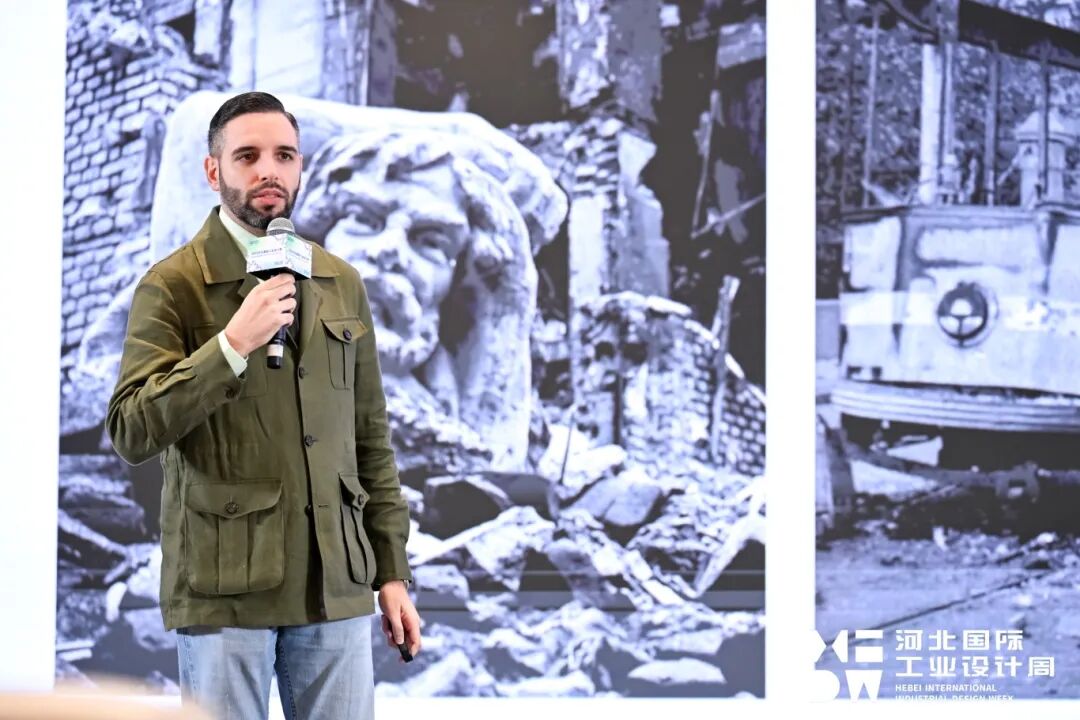
The modern Italian design we know today, however, was a miracle born from desperate circumstances. World War II left Italy ravaged, with cities like Milan suffering devastating blows. Yet amid despair, people ignited a creative passion—even under bombardment, they held onto dreams of rebuilding their homes and started constructing new cities from scratch. During this period, Italy underwent a transition from an agricultural to an industrial nation. The as-yet-unformed field of industrial design was supported by a group of architects who crossed over into design: they extended their work from large-scale architectural projects to small objects like door handles and cars, covering the entire design chain.
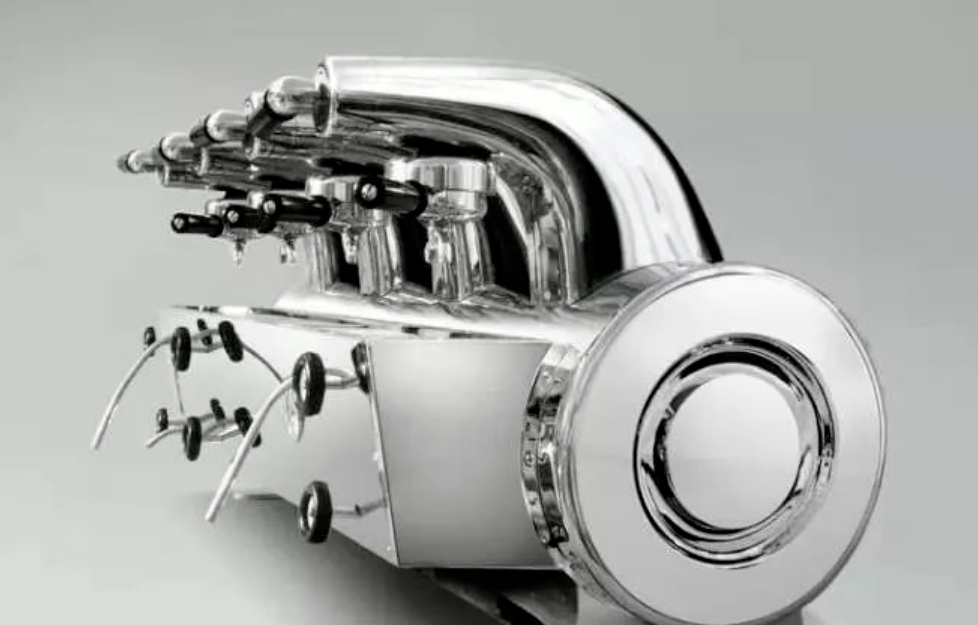
 Maurizio Vrenna noted that due to limited land area, Italy could not engage in mass production, yet it forged a unique path—upholding the fusion of craftsmanship and industrial production. This choice made Milan the driving force of Italian design, giving birth to many timeless classics: Gio Ponti's espresso coffee machine for La Pavoni, inspired by American streamline styling, remains an industry benchmark to this day; Vico Magistretti's "Eclipse" lamp for Artemide is an immortal work in design history; and the Bocca sofa designed by Studio 65 for Google, as a representative of Italian radical design, was born in the small Italian town of Grosso.
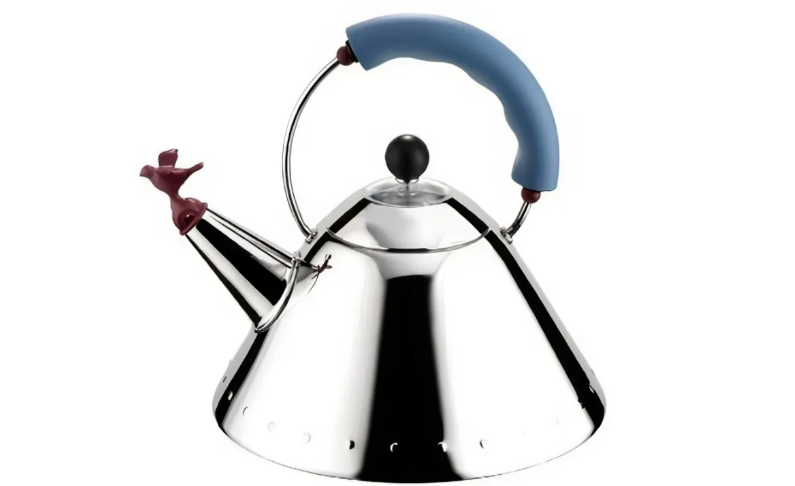
An open and inclusive attitude gave rise to a constellation of Italian design talents. Maurizio Vrenna shared a classic example: in 1985, American architect Michael Graves designed the "Bird Whistle Kettle" for Alessi. This kettle innovatively incorporated a small bird-shaped whistle that chirps when the water boils, seamlessly blending practical functionality with playful ingenuity. It not only became a well-known design classic but also an excellent model for international cross-border collaboration.
02
Empowerment Forged in Practice
When discussing the symbiosis between design and society, Maurizio Vrenna took the practice of Olivetti as an example to vividly illustrate the deeper meaning of "design empowering society". In an era before computers were widespread, Olivetti typewriters, with their continuously improved outstanding performance, firmly held the position of core office tools. What truly propelled Olivetti to leap forward was Adriano Olivetti, the founder's son—he broke away from the traditional framework of "incremental improvement" and boldly launched a revolutionary lightweight typewriter made of plastic. The sensation this innovation caused at the time was no less than the industry transformation brought about by today's artificial intelligence technology.
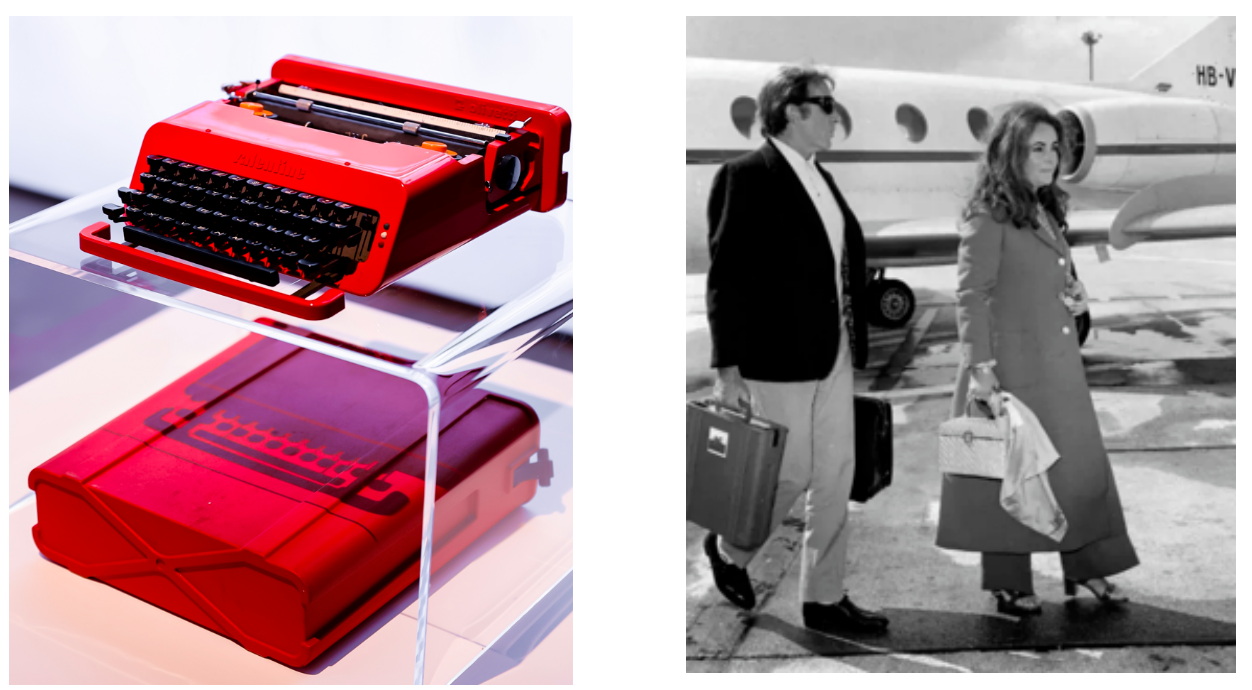 At the same time, Olivetti pioneered the "fusion of art and commerce" —in 1954, its New York store was designed as a miniature art museum: marble walls, carefully displayed typewriters, and uniquely designed wallpaper turned the products themselves into works of art. Even though Olivetti later declined due to the rise of computer technology, it still profoundly influences the world. For example, the display philosophy in Apple and Xiaomi stores of "presenting products as works of art" is a direct inheritance and tribute to Olivetti's aesthetics.
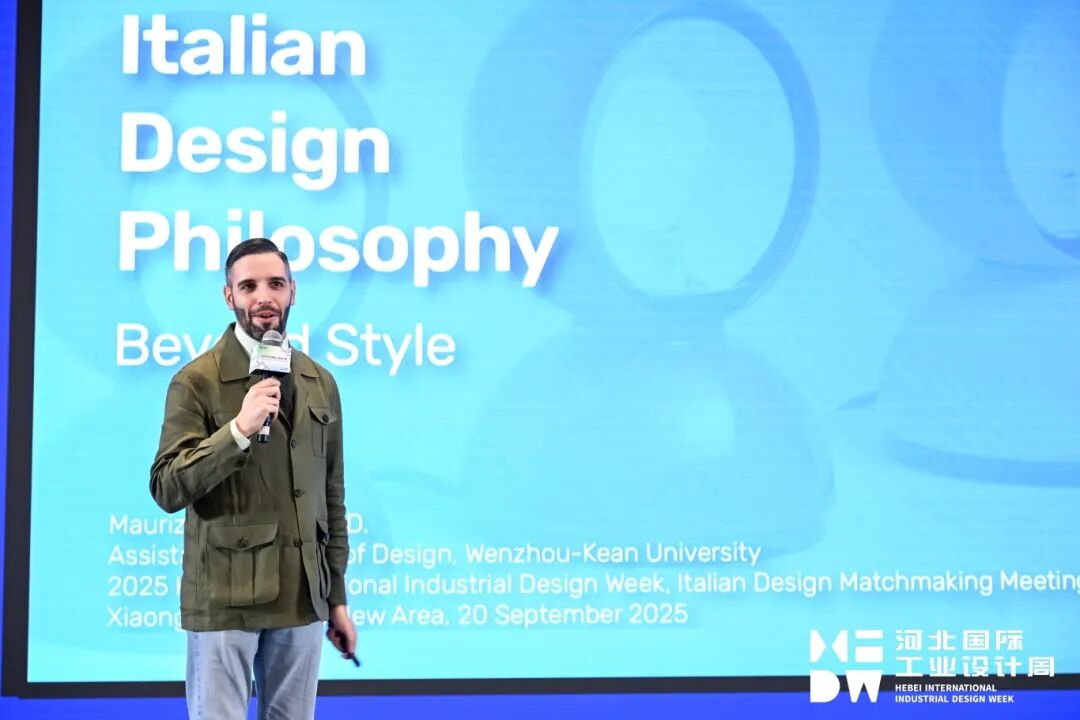
In Maurizio Vrenna's view, true Italian design has never been "merely superficial"; it combines beautiful appearance, excellent performance, and advanced technology, and is both practical and full of interest. He summarised its core characteristics as: innovativeness, timelessness, humanism, environmental friendliness, and functionality, and emphasised that good design, regardless of its origin, should follow these principles.
03
The Resonant Core of Design in Heritage
Today, Italian industrial design continues to thrive with vitality, embracing both sustainability and a global perspective. Maurizio Vrenna gave examples: when Moncler celebrated its 70th anniversary, its products, though young, quickly entered the ranks of classics; designers such as Virgil Abloh re�interpreted Italian classics from a modern perspective, launching limited�edition works that revitalised tradition; the footwear brand Velasca partnered with the car brand Alfa Romeo to create handcrafted, high�quality modern footwear, showcasing the unique charm of Italian design.
In the field of technology, Italian design also holds its place. In 2005, Massimo Banzi proposed the concept of open�source hardware, helping programmers worldwide to innovate and develop tech products. At the same time, Italian design has begun to focus on social issues and convey humanistic care: designer Poli Cino from Matera created a small bread knife—its birth stemmed from deep reflection on "food sharing" (in many parts of the world, people need to divide bread into very small portions to meet the needs of many); designer Giulia Cati created ice cubes in the shape of gold bars, carrying a profound message—water is the source of life and far more precious than gold; the 2015 Milan Expo had "sustainability" as its core theme, and the 2030 Rome Expo will continue this concept, proving that sustainable development has become a core concern of Italian design, profoundly influencing designers, companies and consumers worldwide.

Regarding design collaboration both at home and abroad, Maurizio Vrenna offered advice: design work should be carried out on the premise of in�depth research on the client and the company's needs, and insist on research�based creation—design without research support is like a house without a foundation, destined to be unstable. From concept development, prototyping, to market testing, every step of the full design process is indispensable. At the same time, he emphasised that we should treat clients as independent "individuals" rather than a generic "consumer group," and let them participate deeply in the design process. Our goal is not to "push a product," but to make clients genuinely "want to buy it." In this process, sustainability should always be the core principle throughout, while brand identity building is the final touch that adds value.
Finally, Maurizio Vrenna shared a heartwarming detail: the blue colour used in this presentation's slides is exactly the representative colour of the Italian national football team, tracing back to the symbolic colour of the former Italian royal House of Savoy. It turns out that even the colour of a team uniform carries Italy's historical heritage and cultural depth. This may well be the ultimate code of Italian design—it has never been merely about the expression of style and aesthetics; it is rooted in historical accumulation, humanistic care, innovative practice, and the deep integration of diverse values.