At present, AIGC design significantly improves production efficiency, reduces costs, and drives breakthrough changes in content creation, user experience, business models, and other areas through automated generation, personalised recommendation, data�driven optimisation, cross-disciplinary integration and innovation, and intelligent tool empowerment, thereby driving industrial innovation.
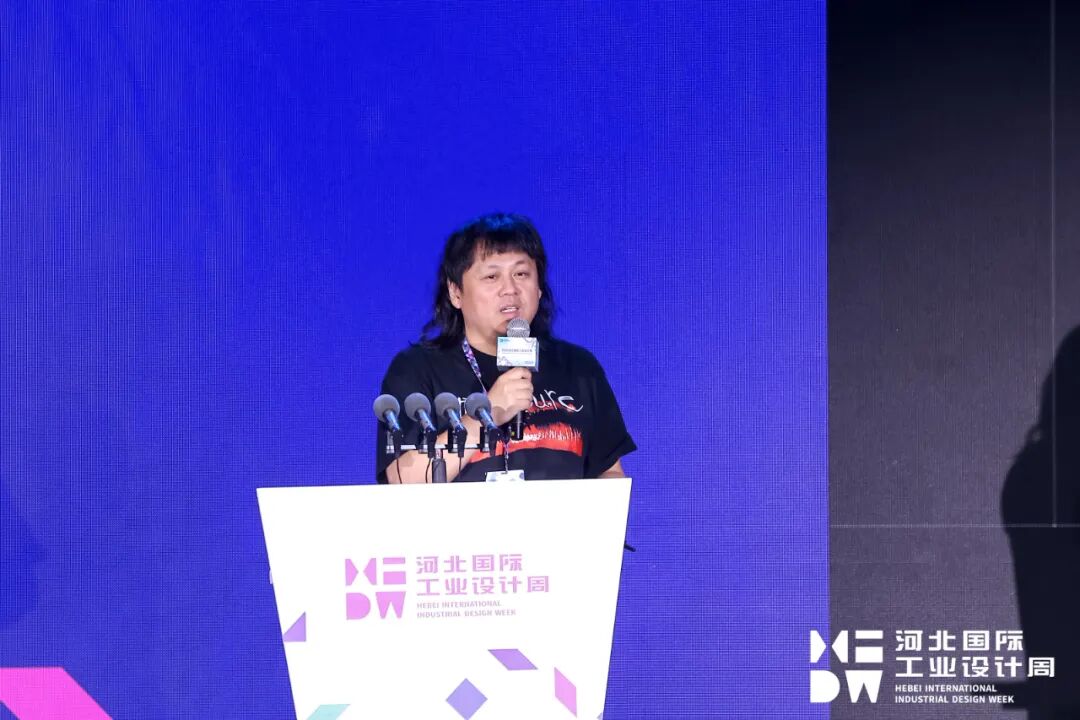
At the keynote speech session of the 2025 Hebei International Industrial Design Week, Wang Luping, Director of Alibaba Cloud Design Center, delivered a talk on the theme "AIGC Design Driving Industrial Innovation", using profound insight and rich practical cases to reveal the transformation and opportunities of design in the AI era.
With the rapid development of artificial intelligence technology, many long-held notions of designers have been completely overturned. The design field has undergone qualitative changes in terms of production materials, production tools, and production relations, and traditional digital assets are gradually shifting towards model assets.
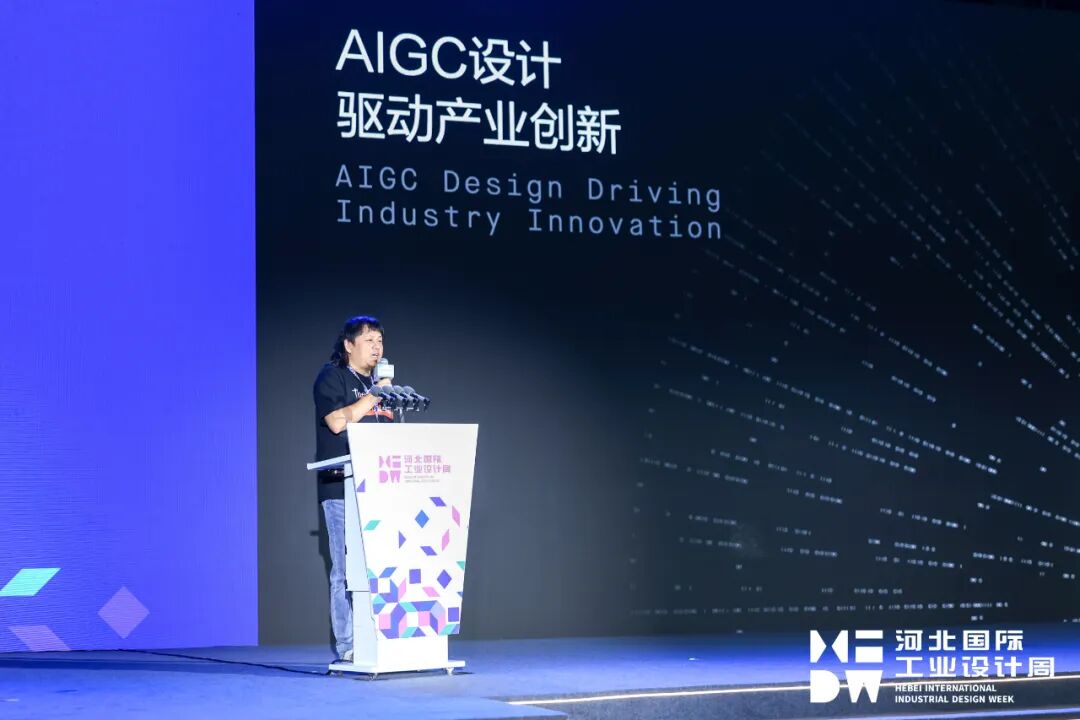
Wang Luping mentioned that Alibaba Cloud, through the PAI Artlab platform, has introduced AI technology into the education sector, and has already promoted it in 110 schools in China, covering about 100,000 students. In this process, the importance of model assets has become increasingly prominent.
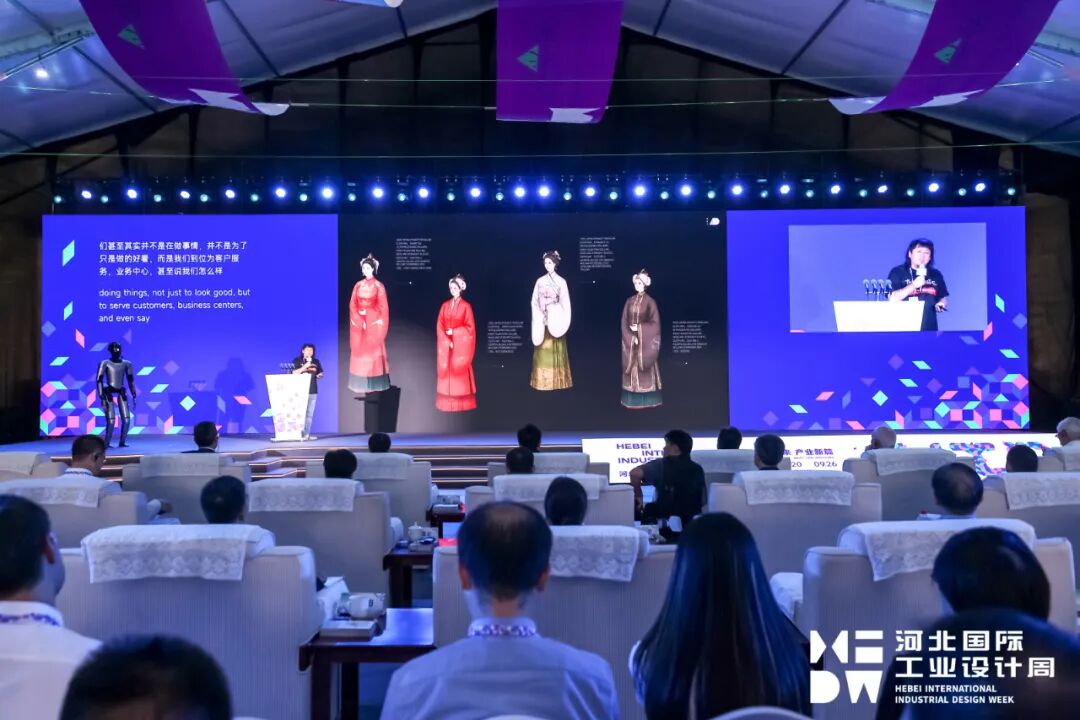
For example, in a collaboration with Beijing Institute of Fashion Technology, to address the cultural deviations of public large models in Hanfu design, the teaching team started with Song dynasty costumes and trained a Lora model that conforms to the characteristics of traditional Chinese culture, later expanding to the Tang, Song, Han, and Ming dynasties. This case fully demonstrates the key role of model training in cultural heritage and design innovation.
At the level of production tools, AI is not simply a tool for generating images from keyword inputs, but can be deeply integrated into design workflows to achieve parameter customisation and process control.
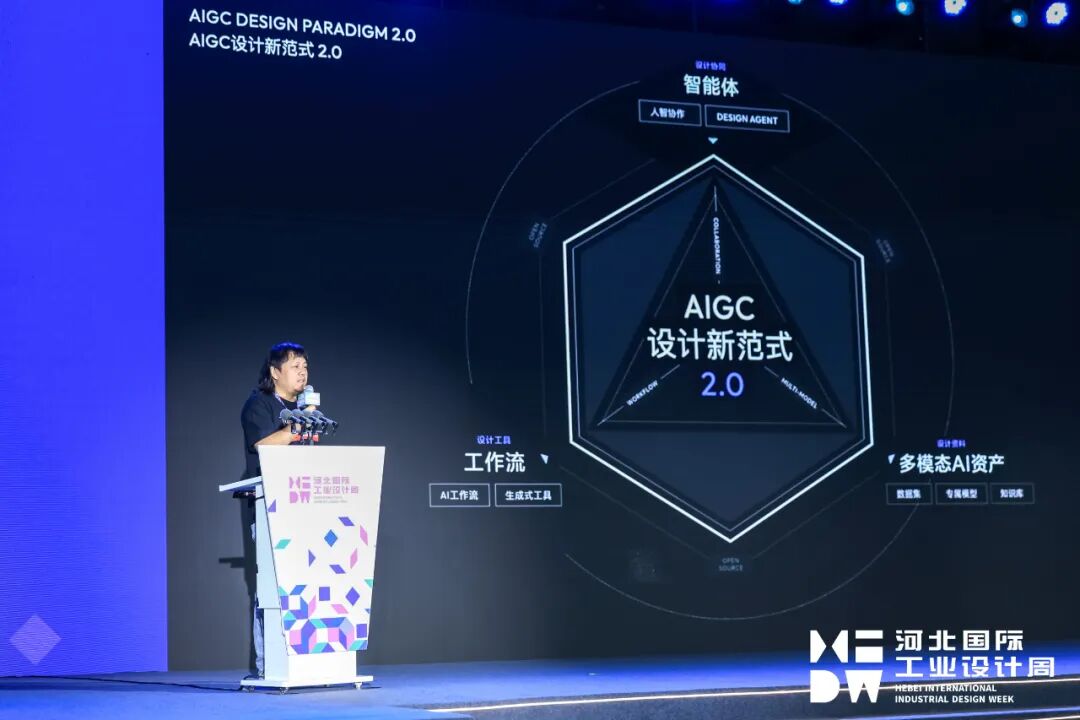
Based on client needs, the Alibaba Cloud design team has accumulated over 100 industry cases across 10 industries and 40 business areas. Through customised workflows, designers can adjust parameters at each node to achieve precise control over the design process. On the basis of optimising workflows, designers' creativity is stimulated, allowing them to devote more energy to creative ideation.
For example, in a collaboration with Yiwu Commodity City Group, Alibaba Cloud helped small merchants achieve one�stop services for product production, marketing, and promotion through workflow optimisation, saving about 80% of traditional workflow processes.
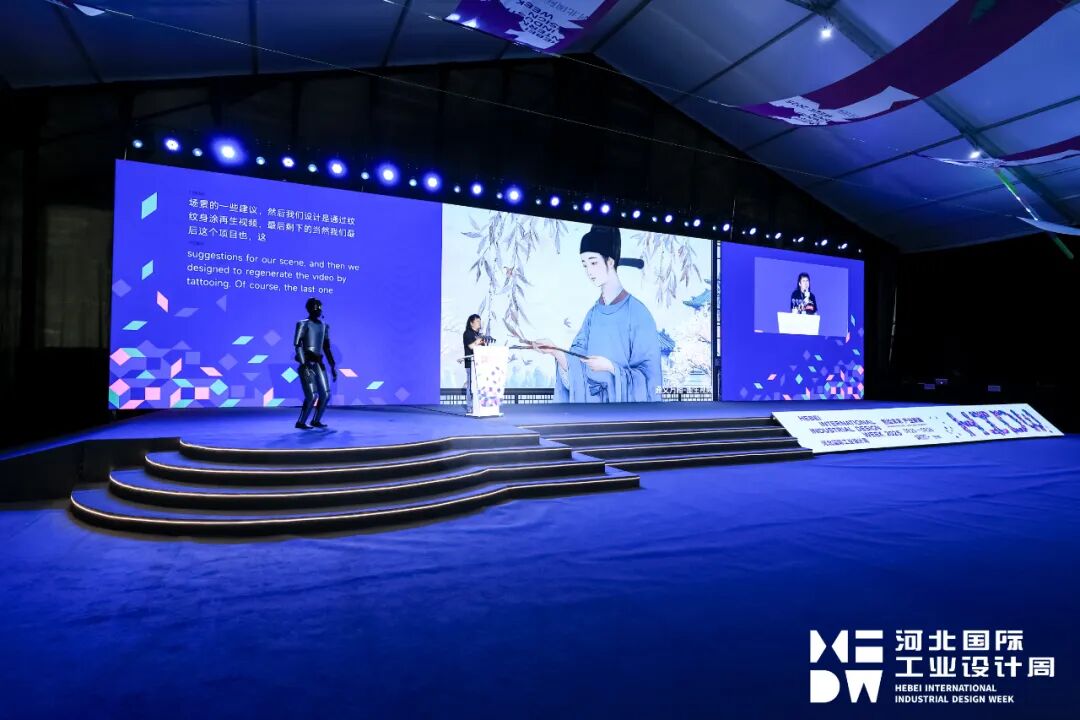
In a collaboration between Capital Library and Alibaba Cloud, the traditional work The Peony Pavilion was brought to life through AI-generated videos, combined with millions of reading data points to provide scene suggestions. The project was ultimately reported on China Central Television's News Broadcast, showcasing the modern charm of traditional Chinese culture.
Regarding the public concern that AI will replace designers, Wang Luping believes that designers in the AI era do not face an unemployment crisis, but rather take on more diversified roles. The relationship between designers and AI tools is similar to that between the left and right hemispheres of the human brain—they require close collaboration rather than simple substitution.
The model tuning and knowledge base expansion functions provided by AI platforms can ensure that designers accurately serve specific business scenarios. In actual design processes, Alibaba Cloud continuously adjusts model parameters according to business needs, and even introduces knowledge bases that are not within the traditional knowledge system of designers, to enhance the relevance and accuracy of design.
For example, in the education sector, by training models that conform to the characteristics of traditional Chinese culture, teaching and design needs can be served more accurately; in rural revitalisation, Alibaba Cloud actively participates in rural revitalisation projects, such as the common prosperity pilot county project in Kaihua, Zhejiang; and in addressing social welfare, AI video technology is used to enhance traffic safety awareness among food delivery riders. These cases all demonstrate the social value of AI in the design field.
Wang Luping stated that in the future, every industry (company, school) will build its own exclusive models, and through post�training or fine-tuning, AI will be made more closely aligned with actual needs.